
Business Loans :: Library

Back to Popular Titles

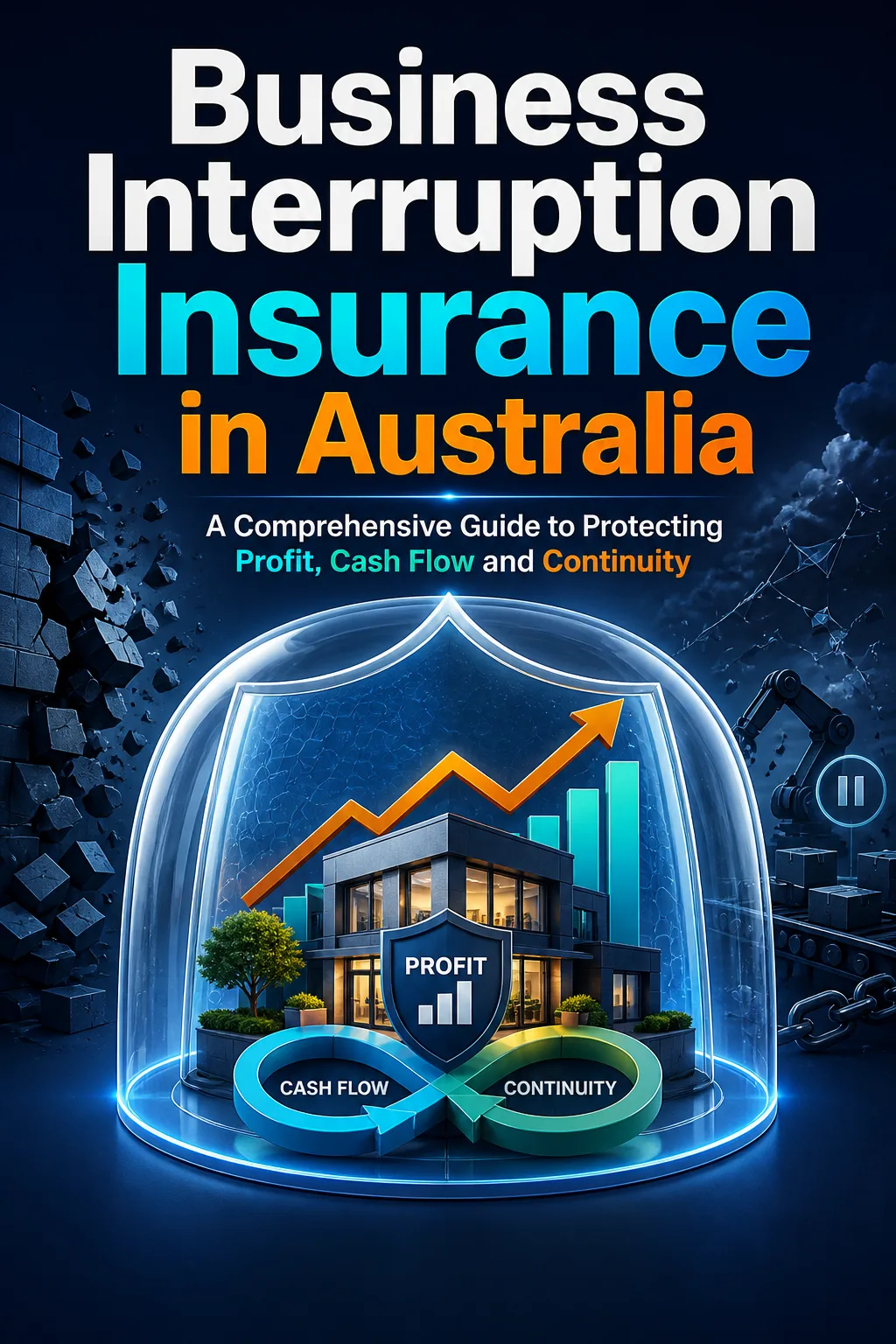
Business Interruption Insurance in Australia: A Comprehensive Guide to Protecting Profit, Cash Flow and Continuity
$1.98

When an insured event disrupts trading, the damage to premises or equipment may be only the beginning. Lost revenue, ongoing wages, rent, supplier obligations and delayed recovery can put serious pressure on cash flow and continuity. This guide explains business interruption insurance, loss of profit insurance and consequential loss insurance in practical Australian business terms. It covers how policies work, how claims may be calculated, what can affect indemnity periods and sums insured, and where common gaps or exclusions may arise. With examples, case studies, checklists and FAQs, it helps business owners and operators ask better questions, prepare stronger records and review cover with greater confidence.


Finance News

Debanking bill highlights the value of clear lending decisions
24 Nov 2026: Paige Estritori
A new federal proposal aimed at stopping major banks from blacklisting lawful industries has pushed debanking back into the small business finance debate. The Coalition’s Banks Stick to Banking Bill 2026, introduced in Parliament this week, would restrict the largest banks from refusing, restricting or withdrawing banking services solely because a business operates in a lawful sector, while preserving banks’ ability to assess repayment capacity, security and genuine financial risk. - read more
Tax and compliance costs move to the top of SME cash-flow pressures
17 Nov 2026: Paige Estritori
Australian SMEs are being reminded that the hardest finance problem is not always finding credit; it can be keeping enough cash available when tax, supplier and payroll obligations fall due. ScotPac’s latest SME Growth Index, released on 10 November 2026 and reported by Inside Small Business the following day, found tax and compliance costs have overtaken access to credit as the leading cash-flow pressure nominated by surveyed SMEs. - read more
Higher cash rate raises the bar for business borrowing
10 Nov 2026: Paige Estritori
The Reserve Bank of Australia’s 3 November 2026 decision to lift the cash rate target by 25 basis points to 4.85 per cent has put borrowing costs back at the centre of small business planning. For Australian SMEs, the practical issue is not only whether rates rise on an existing facility, but whether budgets, pricing, stock decisions and expansion plans still work under a higher interest-rate path. - read more
SME loan demand jumps as businesses plan for uncertainty
03 Nov 2026: Paige Estritori
Australian SME borrowing has taken a sharper turn upwards, with new September quarter reporting from Inside Small Business showing Banjo Loans recorded its strongest SME lending quarter since its barometer began in 2023. For business owners, the message is not simply that confidence has returned; it is that many firms appear to be treating finance as a buffer against still-uncertain trading conditions. - read more
Business Loan Articles

How Business Loan Costs and Repayments Are Calculated in Australia
Business loan repayments are shaped by more than the interest rate. The amount borrowed, loan term, repayment frequency, fees, rate type and loan structure can all affect both regular repayments and the total amount repaid over the life of the loan. - read more
How Do Lenders Assess a Business Loan Application in Australia?
Applying for a business loan involves more than completing an application form. Lenders typically assess a range of factors when deciding whether to approve a loan, including the financial position of the business, its ability to repay the loan and the information provided as part of the application. - read more
Secured vs Unsecured Business Loans: What's the Difference?
Secured and unsecured business loans are two common types of finance available to Australian businesses. While both provide access to funding, they differ in how they are structured, the security requirements, borrowing limits and other loan features. - read more
Business Loan Eligibility: Common Reasons Applications Are Approved or Declined
Business loan eligibility refers to the criteria lenders use when assessing whether to approve a loan application. While assessment processes vary, lenders generally consider a range of financial and business-related factors before making a lending decision. - read more

Knowledgebase
Asset Allocation:
An investment strategy that aims to balance risk and reward by apportioning a portfolio's assets according to an individual's goals, risk tolerance, and investment horizon.